Our story
Born in a garage, roasted by hand
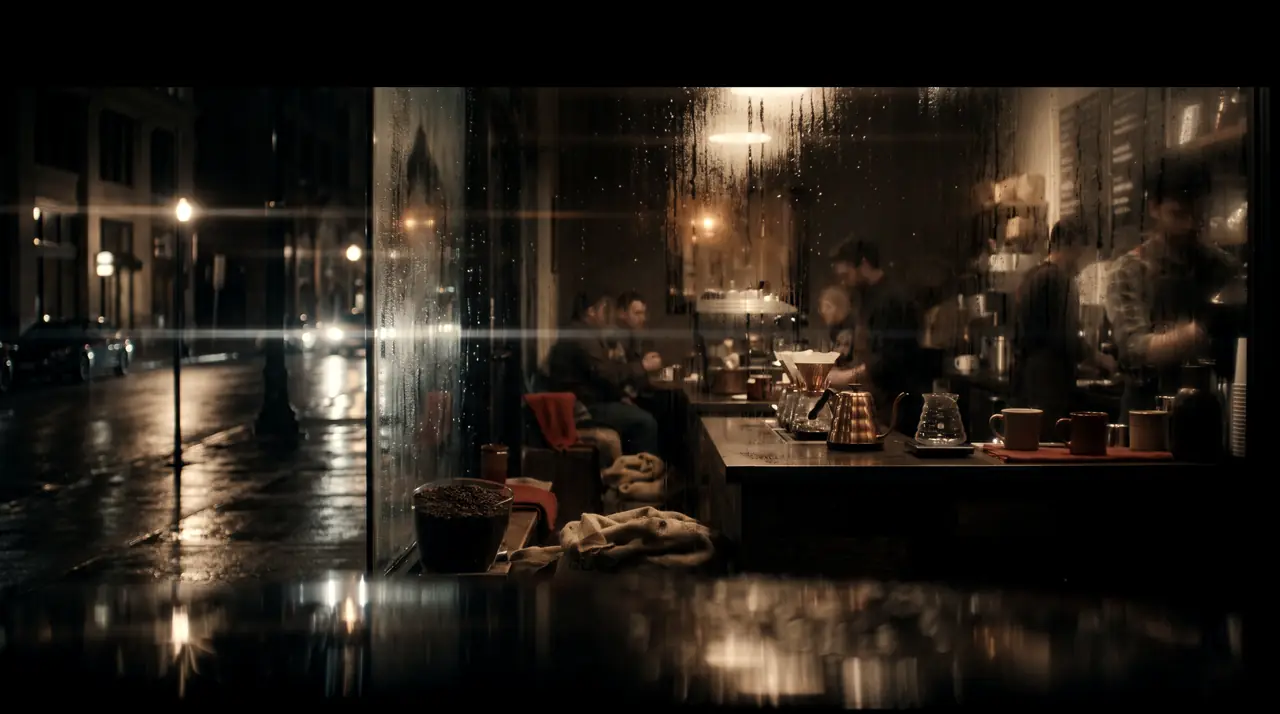
Lumière began with a modified popcorn machine and a refusal to drink stale coffee. We still won't serve a bag more than a week past its roast date.
Journey
From first roast to first sip
Every café has a beginning. Ours started with a hand-built roaster and a stubborn idea about freshness.
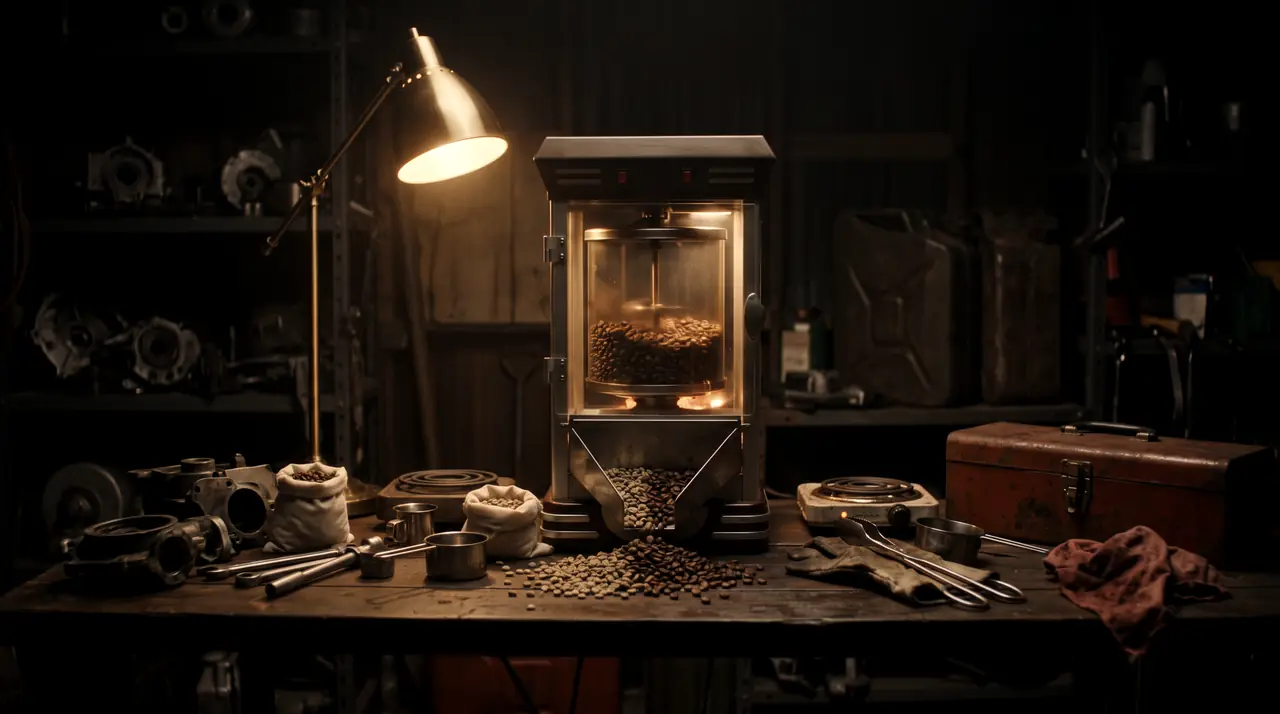
2012
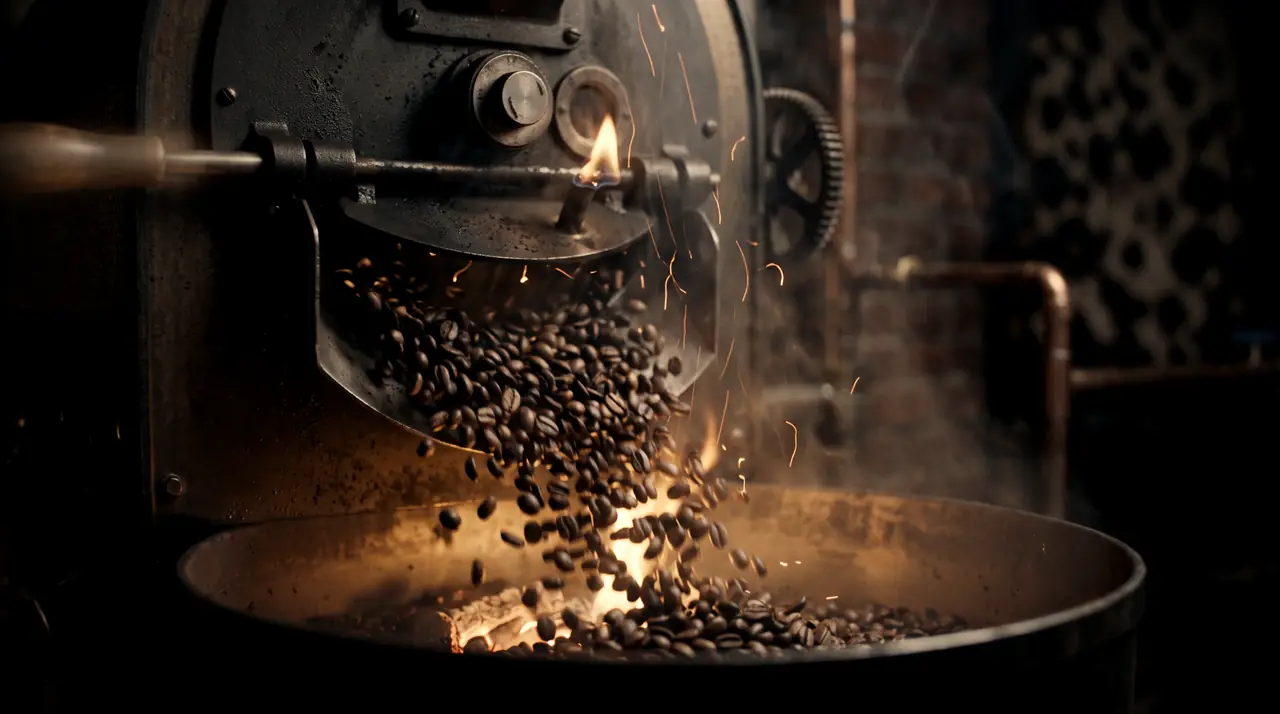
The first batch is roasted in a garage on a modified popcorn machine.
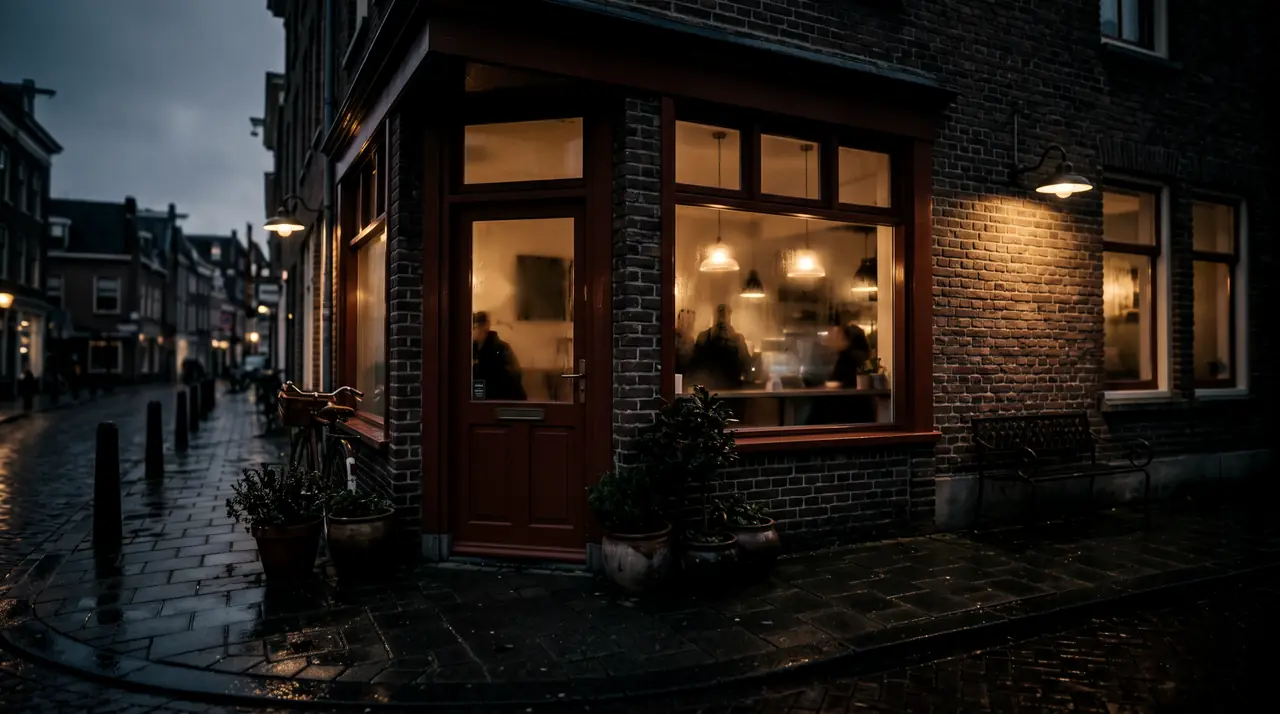
2015
The first café opens with six stools and a red front door.
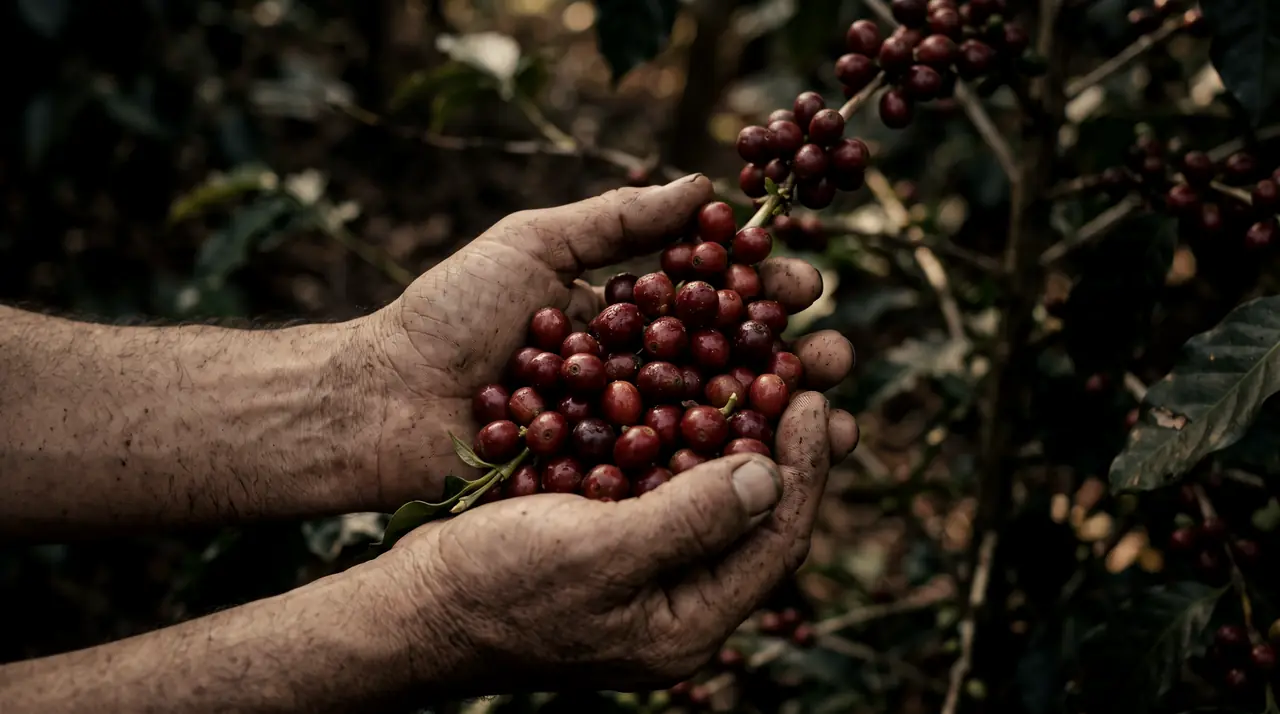
2018
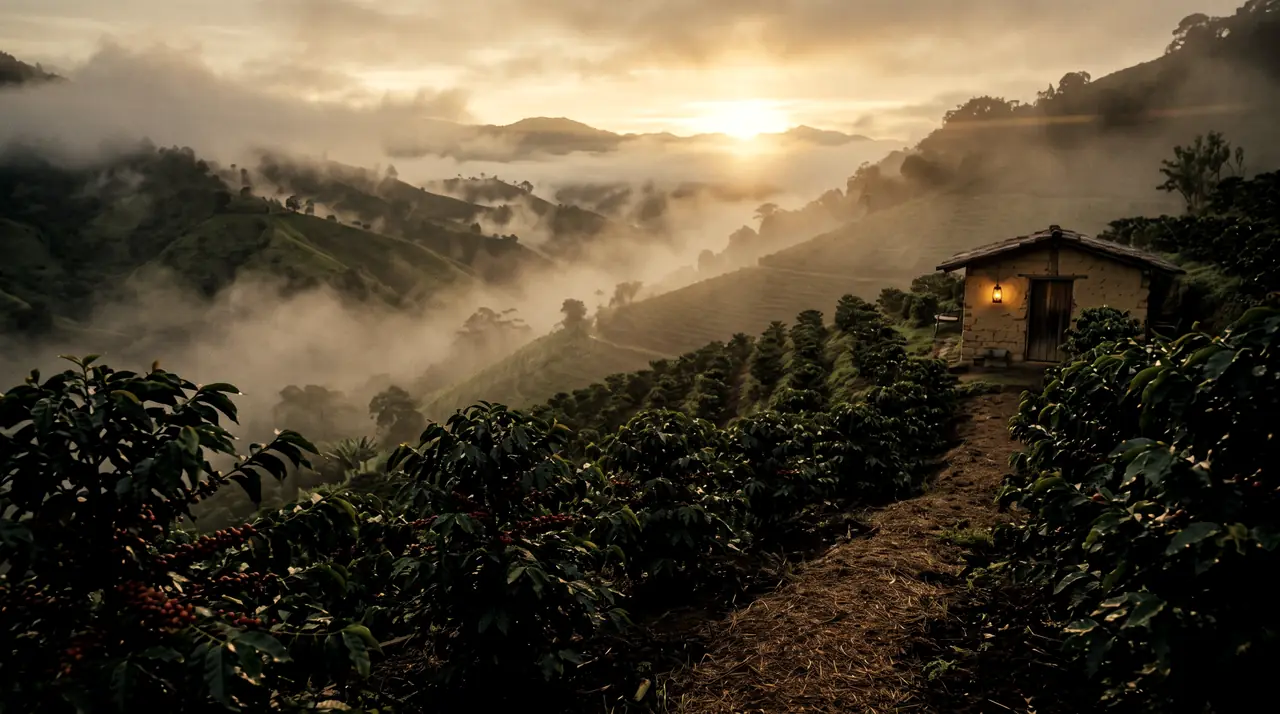
A first harvest spent in Huila turns into our direct-sourcing program.
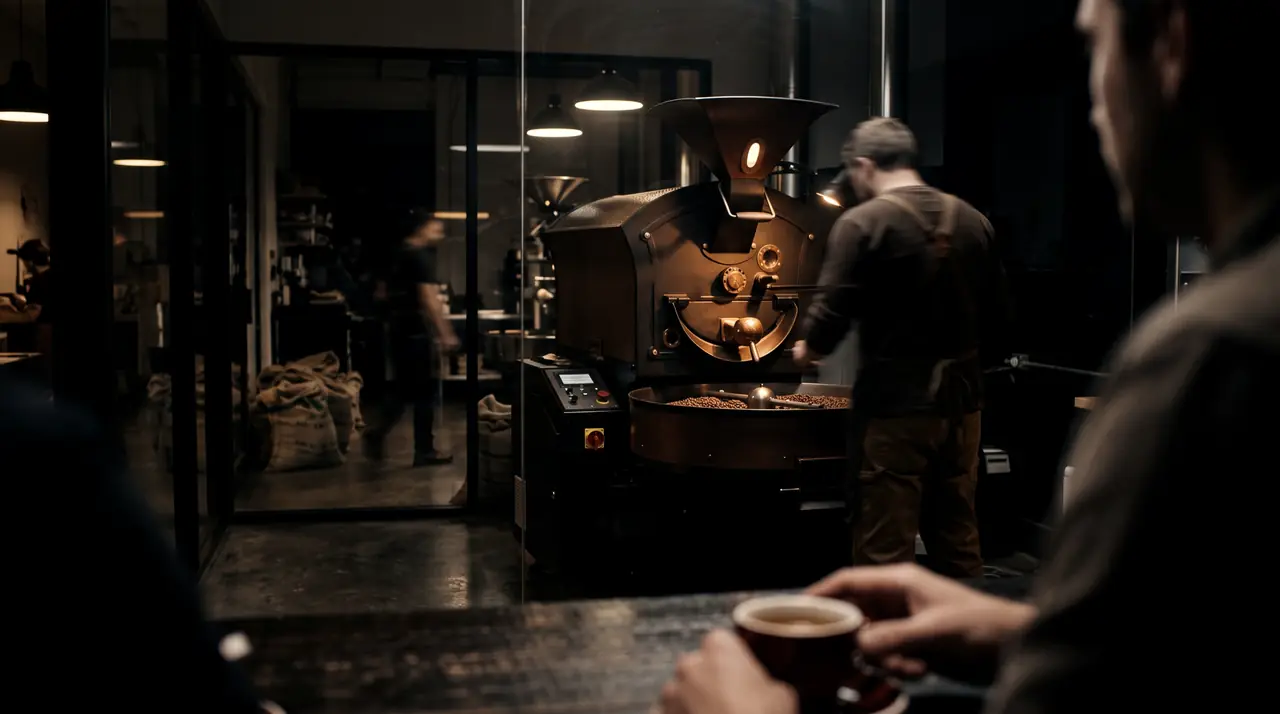
2021
The roastery moves into a glass-walled room, so guests can watch every batch.
2024
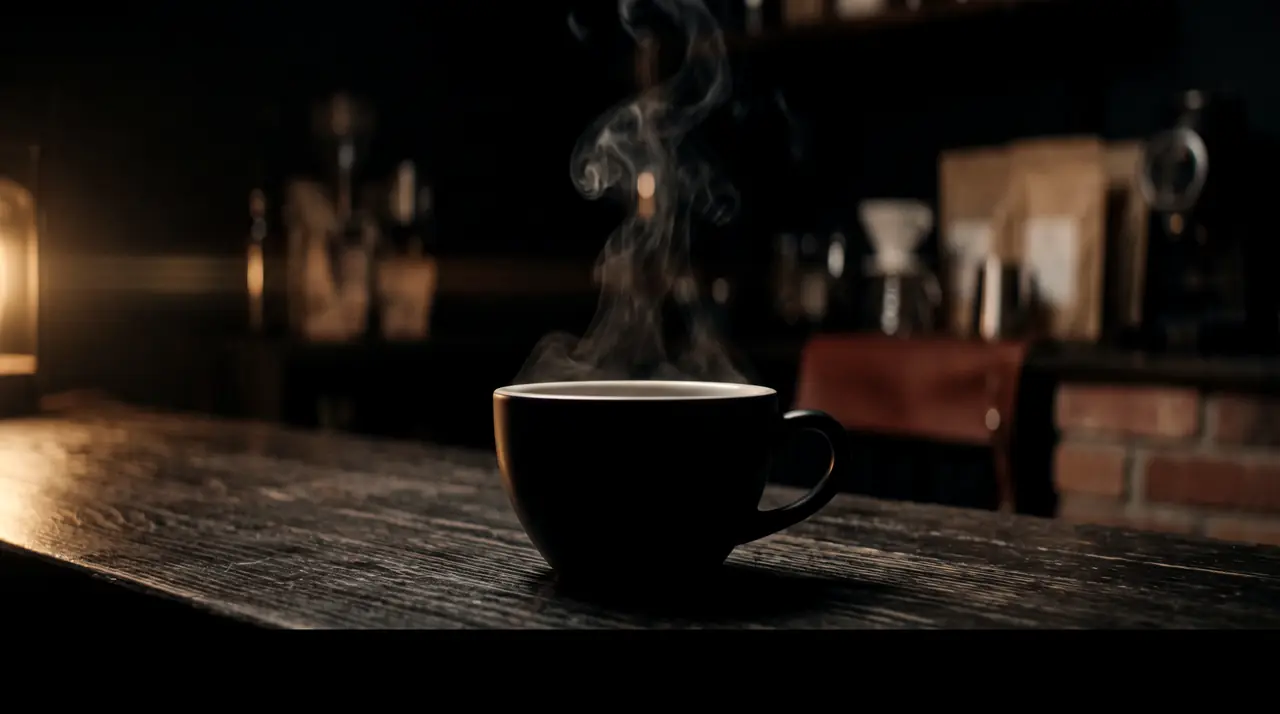
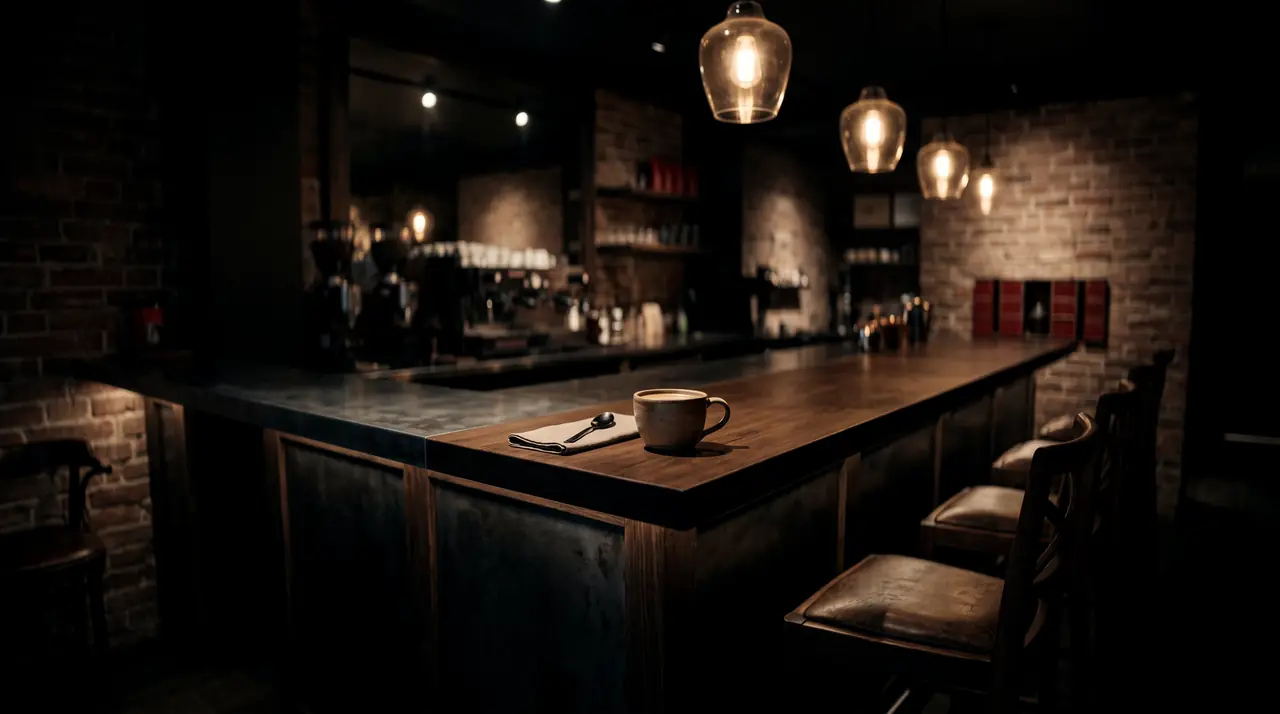
The night bar opens. Slow pours, low light, last cup at nine.
Sourced from three continents
Huila, Colombia
1,700–2,000 masl · Washed
Cauca, Colombia
1,600–1,900 masl · Honey
Minas Gerais, Brazil
900–1,300 masl · Natural
Yirgacheffe, Ethiopia
1,900–2,200 masl · Washed
Nyeri, Kenya
1,700–1,900 masl · Washed
Aceh, Sumatra
1,400–1,600 masl · Wet-hulled
Philosophy
Light is an ingredient
Lumière means light. We roast lighter than most, so the farm's character comes through instead of the roaster's.
Roast to reveal
We stop each roast early enough to keep the fruit and acidity the growers worked for.
Brew to order
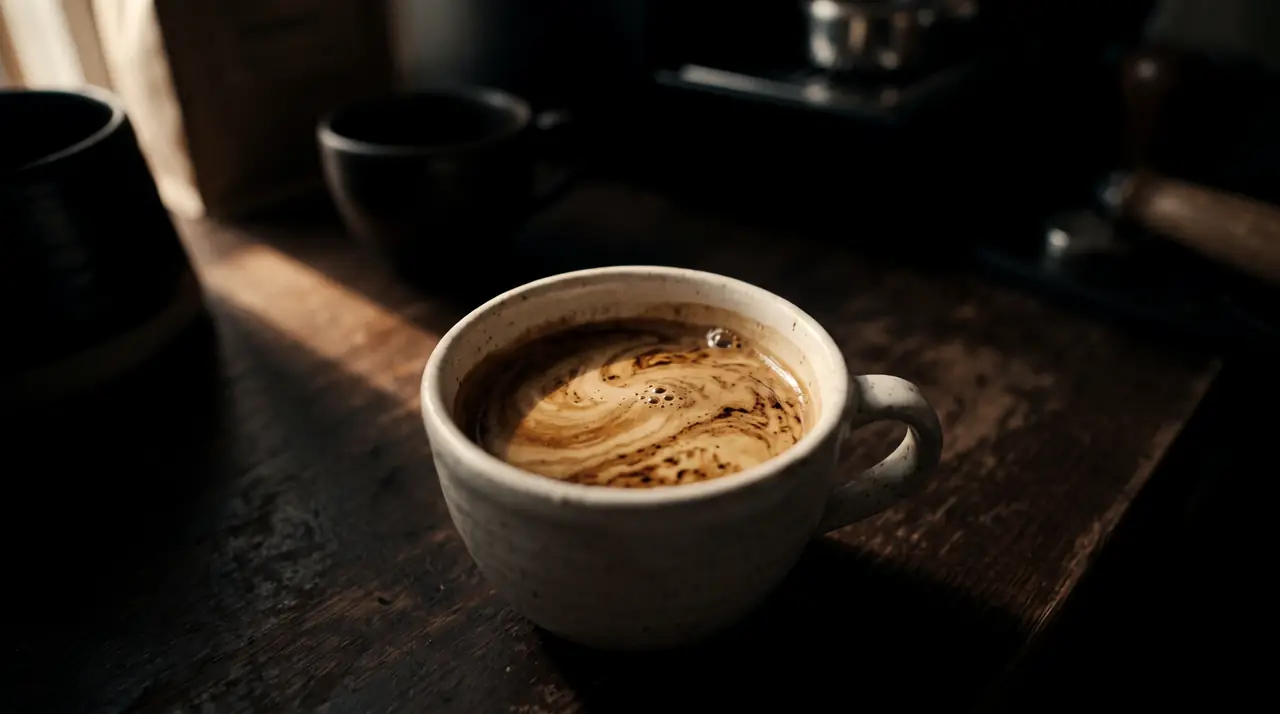
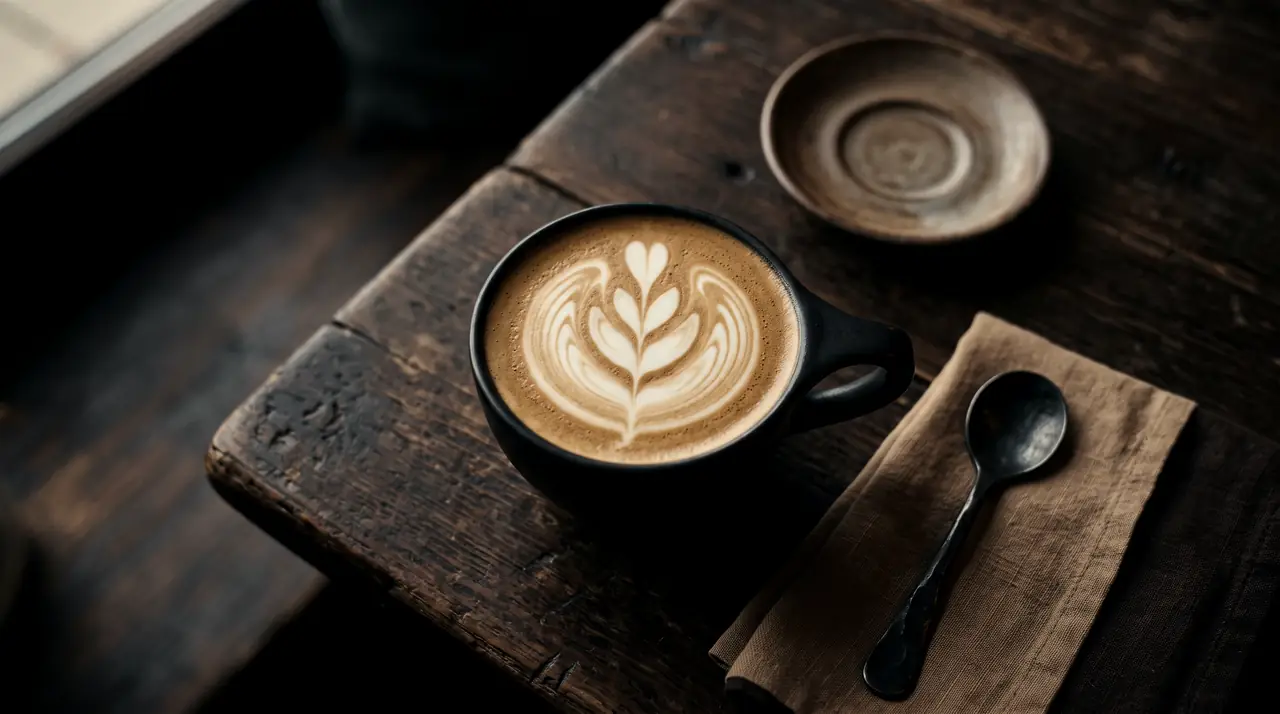
Every cup is ground, weighed and brewed for one person. We don't keep coffee warming in pots.
"We wanted a roastery you could watch through the glass."
Founder name
Head roaster, Lumière
Where do your beans come from?
Six regions across South America, Africa and Asia. Each bag names the region, altitude and process on the front label.
How light is a Lumière roast?
Most of our coffees finish between 196°C and 210°C, which keeps the fruit and acidity the farm produced. We keep one darker roast on the bar for people who want body.
Can I watch a roast?
Yes. The Winter Park roastery sits behind a glass wall, and we roast most weekday mornings between 9:00 and 12:00.
Do you visit the farms?
Someone from the roastery visits each origin during harvest. We buy from the same growers year after year whenever the coffee is good.
Why is the menu so short?
Fewer drinks means every barista can make each one well. We would rather do eight things right than thirty things fine.